Skip to content

BLOG

.

Designing a Custom Home Around Your Lifestyle, Not a Floor Plan

March 22, 2026
43 43 img 3225
Building a custom home is an opportunity to design a space that truly fits your way of life. It is your chance to create a home that supports your daily routines, reflects your priorities, and feels right from the moment you walk through the door.

It is easy to get excited about a beautiful floor plan early in the process. Floor plans can be inspiring, but they work best when they are shaped around your lifestyle rather than the other way around.

A custom home should be built around your routines, your priorities, and how you want your life to feel. Before choosing layouts, room counts, or square footage, take a step back and ask more important questions: How do you live now, and how do you want to live in this home, five, ten, or twenty years from now?

Designing a Custom Home Around Your Daily Routines

Your daily habits are the backbone of clever home design. Think through an average weekday and weekend in detail.

Do mornings feel rushed or relaxed? Do you work from home? Full-time or part-time? Do kids need space to spread out with backpacks, sports gear, and homework? Do you cook every night or mostly reheat and run? Even small details, like where you drop your keys or how you transition from work to home life, can shape a more functional layout. These everyday moments are often the difference between a home that looks good and one that truly works.

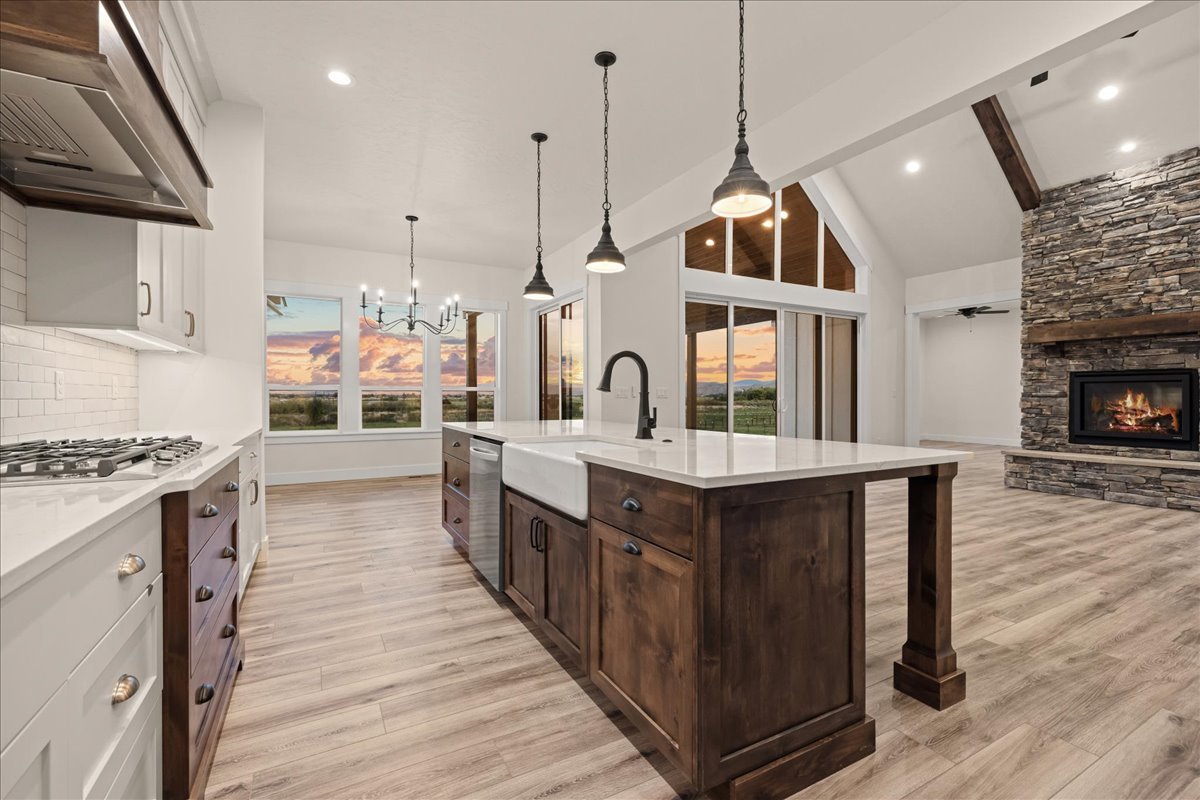
Your answers will influence everything from kitchen layout to mudroom placement to whether an open concept or more defined spaces make sense for your household. For example, a family that cooks together often may benefit from a larger kitchen island, a walk-in pantry, and easy access to outdoor grilling space. Someone who works from home may need a quiet office with natural light and separation from busy living areas.


Custom Home Design for Entertaining and Everyday Living

Some homes are built for hosting. Others are built for quiet nights in. Neither is wrong, but the design should match your reality. If you love entertaining, consider open living spaces, seamless indoor-outdoor flow, and guest-friendly layouts. If your home is your retreat, you might prioritize private spaces, cozy rooms, and thoughtful sound separation.

The way people move through shared spaces matters just as much as how those spaces look. Thoughtful layouts help conversations flow, reduce congestion, and make hosting feel natural rather than stressful. This is where custom design shines. Instead of forcing your lifestyle into a preset plan, your home adapts to you.


Long-Term Planning for Your Custom Home

A truly successful custom home works for you today and tomorrow. Designing with the future in mind gives your home flexibility as life evolves. Spaces that can adapt over time help protect your investment and reduce the need for major changes later.

Are you planning to grow your family? Do you expect aging parents to visit or move in later? Is this your forever home? Planning ahead can mean designing a main-level primary suite, flexible bonus rooms, or wider hallways and doorways for long-term accessibility. These choices are much easier and more cost-effective to make during design than to retrofit later.


How Location and Climate Impact Custom Home Design in Idaho

In Boise and throughout Idaho, lifestyle-driven design should always consider climate and surroundings. Hot summers make outdoor living spaces, covered patios, and window placement especially important. Cold winters highlight the value of energy efficiency, thoughtful insulation, and cozy gathering areas.

A custom home builder who understands the local environment can help you design a home that stays comfortable year-round while maximizing views, natural light, and usable outdoor space.


Smart Storage Solutions in Custom Home Design

Storage is one of the most overlooked parts of custom home design, yet it has a huge impact on how a home functions day to day. When storage is an afterthought, clutter builds quickly, and even a brand-new home can feel disorganized.

A lifestyle-focused design looks at what you actually need to store and how often you need access to it. That includes everyday items like coats, shoes, backpacks, and pantry staples, along with seasonal gear, hobbies, and long-term storage.

For example, an active Idaho lifestyle might call for dedicated space for bikes, skis, camping gear, or tools. Families may benefit from mudrooms with built-in lockers, oversized pantries, or laundry rooms designed to handle real daily traffic. Thoughtful garage storage and flexible bonus spaces can also make a big difference.

When storage is planned intentionally, it supports your routines instead of working against them. Your home stays more organized, more functional, and easier to enjoy.


Why Starting With Lifestyle Saves You Money

Designing around your lifestyle often leads to smarter decisions and fewer regrets. Instead of paying for square footage you rarely use, you invest in spaces that add daily value. Instead of remodeling later, you build it right from the start.

This approach reduces change orders, avoids wasted space, and results in a home that feels intentional rather than oversized or underwhelming.


A Lifestyle Checklist to Simplify Custom Home Design

By this point, you have likely thought about daily routines, how you gather, long-term plans, and how location and climate influence your home. That is a lot to consider, and it is completely normal to feel overwhelmed.

The good news is you do not need to have every detail figured out right away. A custom home starts with clarity, not perfection. This simple checklist can help organize your thoughts and make the process feel more approachable.

 
  • How do you spend most of your time at home during the week?
  • What parts of your current home do you love and use daily?
  • What feels frustrating or limiting about your current layout?
  • Do you currently work or plan to work from home?
  • How often do you cook, entertain, or host overnight guests?
  • What storage challenges do you currently have?
  • Are there lifestyle changes ahead, such as growing your family, downsizing, or aging in place?
  • How important are outdoor living spaces to your daily routine?

You do not need perfect answers. This checklist simply gives your builder and designer a clearer picture of how to design a home that fits your real life.


Why Working With the Right Custom Home Builder Matters

The most important part of a lifestyle-based home design is working with a custom home builder who asks the right questions.

At Albertson Construction, the process begins with understanding how you live, what matters most to you, and how your home can support your goals. Floor plans come later. Lifestyle comes first.

If you are thinking about building a custom home in Boise, Meridian, Middleton, or anywhere in the Treasure Valley, Albertson Construction is here to help you bring your lifestyle into focus. Reach out online or call (208) 697-9045 to start designing a home built around how you live today and where you are headed next.


Ready to get started?
 Contact us at (208) 697-9045 with any questions you may have, and to get started on your home-building journey.
Contact Us